
In the rapidly evolving world of consumer electronics, laptop enclosures serve as the first point of contact between the user and the device. They not only protect the internal components, but also significantly contribute to the aesthetic appeal and brand identity of the product. Among various manufacturing techniques, die casting has emerged as a popular and highly effective method for producing high-quality, durable and visually appealing laptop enclosures.
The Significance of Die Casting in Laptop Enclosure Manufacturing
Die casting is a precision manufacturing process where molten metal is injected into a steel mold under high pressure. Once cooled and solidified, the die is opened, and the casting is ejected, ready for further finishing. This method is renowned for its ability to produce complex, intricate, and dimensionally accurate components at high volumes, making it ideal for consumer electronics like laptops.
The advantages of die casting for laptop enclosures include:
High Structural Integrity: The process produces strong, impact-resistant parts suitable for protecting sensitive electronics.
Excellent Surface Finish: Die cast parts have smooth surfaces that require minimal finishing, reducing overall manufacturing costs.
Design Flexibility: Complex geometries, thin walls, and integrated features can be achieved with precision.
Mass Production Efficiency: Suitable for large-scale manufacturing, ensuring consistent quality and cost-effectiveness.
Materials Used in Die Casting for Laptop Enclosures
The choice of material is critical in die casting, influencing the durability, weight, thermal management, and aesthetic qualities of the final product. Commonly used materials include:
Aluminum Alloys
Aluminum alloys, particularly ADC12, A380, and A356, are the most popular for laptop enclosures due to their excellent strength-to-weight ratio, thermal conductivity, and corrosion resistance.
- Advantages: Lightweight, good heat dissipation, high strength, and excellent surface finish.
- Applications: Most high-end and premium laptops utilize aluminum die cast enclosures to achieve a sleek, modern look combined with durability.
Magnesium Alloys
Magnesium alloys, such as AZ91D, are gaining attention because they are even lighter than aluminum.
- Pros: Superior intensity-to-weight ratio, excellent EMI shielding, and good thermal properties.
- Applications: For ultra-light laptops and high-performance devices where weight reduction is critical.
Zinc Alloys
Zinc alloys are less common but are used for smaller, intricate components within the enclosure or for specialized applications.
- Advantages: Excellent dimensional stability, ease of casting, and good surface finish.
- Applications: Small decorative elements or structural reinforcements.
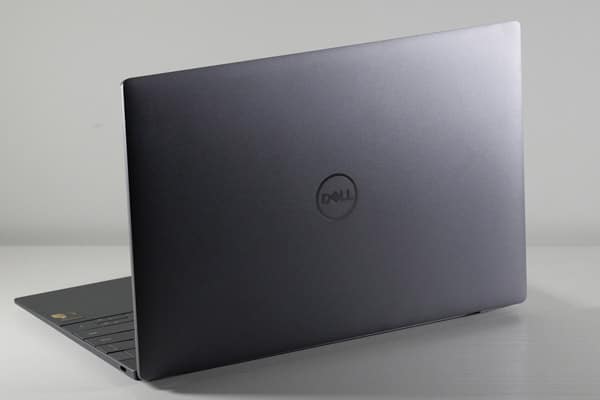
Laptop enclosures*
Die Casting Processes for Laptop Enclosures
Several die casting techniques are employed depending on design complexity, production volume, and material:
1. Hot Chamber Die Casting
Primarily used for zinc and magnesium alloys, this process involves a melting pot attached to the die casting machine, allowing rapid casting cycles.
Advantages: Faster cycle times and high production rates.
Limitations: Not suitable for aluminum alloys due to high melting temperatures.
2. Cold Chamber Die Casting
Typically used for aluminum alloys, this process involves melting the metal separately and transferring it to the casting machine.
Advantages: Capable of casting larger parts with high melting point alloys.
Limitations: Slower cycle times compared to hot chamber methods.
3. High-Pressure Die Casting
The most common method for aluminum enclosures, where molten metal is injected under high pressure into the die.
Advantages: High precision, excellent surface quality, and suitability for large production volumes.
Applications: Producing complex, lightweight laptop enclosures with fine detail.
4. Die Casting with Secondary Processes
Post-casting finishing such as CNC machining, surface treatments (anodizing, painting), and assembly are often employed to enhance aesthetics and functionality.
Innovations in Die Casting for Laptop Enclosures
Recent technological advancements are pushing the boundaries of what die casting can achieve in the electronics industry:
Automation and Robotics: Automation has led to increased precision, reduced defects, and higher throughput. Robots now handle die opening, ejecting, and finishing, ensuring consistent quality.
Thin-Wall Die Casting: Advancements in mold design and alloy development allow for thinner walls, reducing weight without compromising strength, essential for portable laptops.
Integrated Structural Features: Innovations enable the incorporation of features like ribs, bosses, and mounting points directly into the die, minimizing assembly time and costs.
Surface Finish Enhancements: Electro-polishing, anodizing, and other surface treatments enhance aesthetics, corrosion resistance, and tactile feel, aligning with modern design trends.
Sustainable Manufacturing: Efforts are underway to recycle scrap metal, reduce energy consumption, and develop eco-friendly alloys, making die casting more sustainable.
Challenges and Future Outlook
While die casting offers numerous benefits, challenges such as tooling costs, design limitations for intricate internal channels, and thermal management complexities remain. However, ongoing research and development continues to address these issues, expanding the range of die casting applications.
Looking ahead, innovations such as additive manufacturing integration, smarter mold design and advanced alloy formulations will further enhance die casting’s capabilities in producing lightweight, durable and aesthetically superior laptop enclosures.
Conclusion
Die casting stands as the cornerstone technology in the manufacturing of modern laptop enclosures, combining strength, precision and aesthetic appeal. With continued innovations in materials, processes and design techniques, die casting is poised to play an increasingly vital role in delivering next-generation electronic devices that meet consumer demands for lighter, stronger and more stylish laptops. Embracing these advances will be key to staying competitive and delivering cutting-edge products in the fast-paced world of consumer electronics as the industry evolves.
Reference
*Image form https://www.laptopmag.com/