Plastic injection molding has established itself as one of the most versatile, efficient and reliable manufacturing processes in the modern world. Its widespread adoption across a wide range of industries-from automotive and consumer electronics to medical devices and packaging-can be attributed to numerous advantages that make it the go-to method for mass production of plastic parts.
Understanding Plastic Injection Molding
Plastic injection molding is a manufacturing process where molten material, is injected into a precisely engineered mold under high pressure. Once cooled and solidified, the mold opens, and the finished part is ejected. This process can produce complex, detailed, and high-quality parts at high volumes, making it ideal for large-scale production runs.
The Key Factors Driving the Popularity of Injection Molding
High Efficiency and Rapid Production
One of the primary reasons for the widespread use of injection molding is its exceptional production speed. Once the initial mold is created, each cycle can produce hundreds or thousands of identical parts within minutes. This high throughput significantly reduces manufacturing time, enabling companies to meet tight deadlines and respond quickly to market demands.
Cost-Effectiveness for Large Batches
While the upfront cost of mold creation can be substantial, the per-unit cost decreases dramatically with high volume production. This economy of scale makes injection molding particularly attractive for mass production, where the cost per part becomes very low, providing substantial savings over other manufacturing methods.
Exceptional Part Quality and Consistency
Injection molding produces parts with excellent dimensional accuracy, smooth surface finishes, and complex geometries that are difficult or impossible to achieve through other methods. Once the mold is made, the process ensures that each part is identical, maintaining consistent quality throughout production runs. This reliability is crucial for industries such as medical devices, automotive components, and consumer electronics.
Design Flexibility and Complexity
Injection molding allows for the creation of highly intricate and detailed designs, including undercuts, thin walls, and complex internal channels. This flexibility supports innovative product designs that enhance functionality, aesthetics, and user experience. Designers can incorporate features like ribs, textures, and inserts directly into the mold, reducing assembly needs and improving overall product quality.
Material Versatility
A wide range of thermoplastics, thermosets, and elastomers can be used in injection molding, providing manufacturers with a broad selection of materials to meet specific performance needs such as strength, flexibility, heat resistance, or transparency. This versatility enables applications across diverse sectors and product types.
Minimal Waste and Sustainable Practices
Injection molding is a highly efficient process that generates minimal waste. Excess material, or sprues and runners, can often be recycled and reused in subsequent cycles. Additionally, advancements in biodegradable and recyclable plastics are further enhancing the environmental sustainability of injection molding.
Automation and Integration Capabilities
Modern injection molding systems are highly automated, incorporating robotics and computer-controlled processes that increase productivity, reduce labor costs and improve accuracy. Automated quality control, including vision systems and sensors, helps detect defects early, ensuring consistent quality.
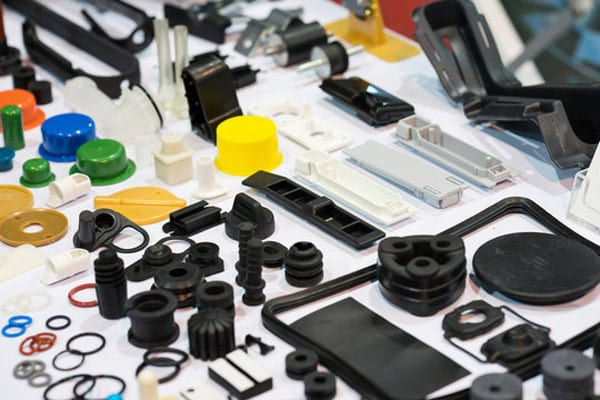
Plastic products*
Industries Benefiting from Injection Molding
Automotive: Manufacturing dashboards, bumpers, and interior components.
Consumer Electronics: Producing casings, connectors, and intricate parts.
Medical Devices: Creating precise, biocompatible, and sterile components.
Packaging: Producing bottles, caps, and containers efficiently.
Home Appliances: Manufacturing housings, knobs, and internal parts.
Challenges and Future Trends
Despite its many advantages, injection molding does have some limitations, such as high initial tooling costs and longer lead times for mold production. However, innovations like 3D printed molds, rapid tooling, and sustainable materials are helping to mitigate these challenges.
Looking forward, trends such as smart molds with embedded sensors, the integration of IoT (Internet of Things), and eco-friendly materials continue to enhance the efficiency, sustainability, and versatility of injection molding. These advancements ensure that the technique remains relevant and continues to grow in popularity.
Conclusion
The widespread popularity of injection molding techniques is rooted in their unparalleled ability to rapidly and cost-effectively produce high-quality, complex parts on a large scale. Its efficiency, design flexibility and material versatility make it an indispensable tool in modern manufacturing. As technological innovations evolve, injection molding is poised to remain a dominant force in the industry, shaping the future of manufacturing and product development worldwide. Embracing this proven technique can help businesses stay competitive, innovative and responsive to market needs.
Reference
*Image from https://stock.adobe.com/