When it comes to finishing surfaces, especially metal objects, two common options stand out: powder coating and traditional painting. Both methods serve the purpose of protecting and enhancing the appearance of materials, but they differ significantly in process, durability, cost, and application. Understanding these key differences can help you make an informed decision for your project, whether you’re a homeowner, business owner, or industry professional.
What Is Powder Coating?
Powder coating is a dry finishing process that involves applying a free-flowing, dry powder to a surface, usually metal. The powder is typically a mixture of pigment, resin, and fillers. Once applied, the object is baked in an oven at high temperatures, causing the powder to melt and form a tough, uniform coating.
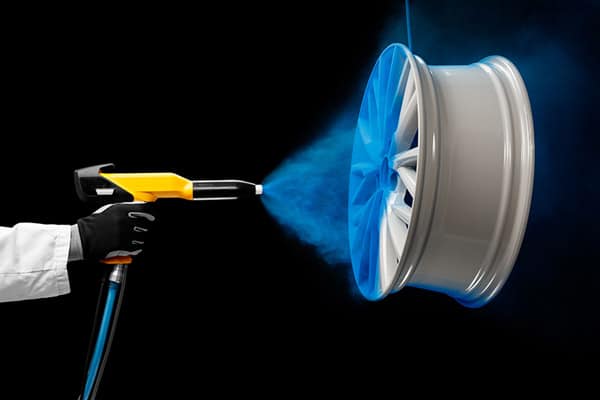
Power coating*
How the Powder Coating Process Works
Although the powder coating process is fairly straightforward, paying close attention to each step is essential—every stage contributes directly to a smooth, professional-looking finish.
1. Surface Preparation
Before applying powder coating, the surface must be properly prepared to ensure optimal adhesion and longevity. This involves:
Cleaning: Removing dirt, grease, oil, and existing coatings using cleaning agents or solvents.
Degreasing: Ensuring the surface is free from any contaminants that could interfere with adhesion.
Surface Roughening: Often, surfaces are sanded or blasted with abrasive media to create a rougher texture, which helps the powder grip better.
Pre-treatment: Applying chemical primers or conversion coatings (like chromate or phosphate treatments) to enhance corrosion resistance and adhesion.
2. Applying the Powder Coating
Once the surface is prepared, the powder coating is applied:
Electrostatic Application: The most common method involves an electrostatic spray gun that imparts a negative charge to the powder particles. The object to be coated is grounded, attracting the charged powder onto its surface.
Spraying: The powder is sprayed evenly over the object’s surface, adhering due to electrostatic attraction.
Fluidized Bed (Alternative Method): In some cases, objects are dipped into a bed of heated powder that melts onto the surface.
3. Curing
After the powder is applied, the coated object is transferred to a curing oven:
Baking: The item is heated typically between 350°F to 400°F (175°C to 200°C). The heat causes the powder particles to melt, flow, and fuse together, forming a continuous, uniform coating.
Cooling: Once cured, the object is cooled down. The coating hardens and develops its final properties.
4. Inspection and Finishing
Quality Control: The finished coating is inspected for uniformity, thickness, and surface defects.
Touch-Ups: Any imperfections can be sanded or touched up with additional powder and re-cured if necessary.
Assembly: The coated items are now ready for use or further assembly.
Major Types of Powder Coating
When discussing the different types of powder coating, they are generally divided into two main categories: Thermoset powder coatings and Thermoplastic powder coatings. Each type has unique properties and applications. Let’s take a closer look:
Thermoset Powder Coating
This type of coating creates a permanent chemical bond during the curing process. Once set, it cannot be melted or removed by reheating. These coatings are extremely tough, offering excellent resistance to corrosion and UV rays. Due to their durability, thermoset powders are widely used for automotive parts, industrial equipment, and outdoor structures where long-lasting protection is essential.
Thermoplastic Powder Coating
Unlike thermoset coatings, thermoplastic powders do not form permanent bonds. When heated, they melt and can be easily peeled or removed once cooled. This flexibility makes them ideal for coating items like aluminum, handrails, metal baskets, and other objects that experience frequent handling or need to be easily recoated or removed.
Advantages of Powder Coating:
- Durability: Powder coatings are highly resistant to chipping, scratching, and fading, making them ideal for high-traffic or outdoor items.
- Environmental Benefits: Since it emits few or no volatile organic compounds (VOCs), powder coating is considered more environmentally friendly than liquid paints.
- Finish Quality: It provides a smooth, even finish with vibrant color options and can be textured or glossy.
- Efficiency: The overspray can be collected and reused, reducing waste.
What Is Traditional Painting?
Painting involves applying liquid paint to a surface using brushes, rollers, or spray guns. It can be oil-based or water-based, and the choice depends on the application and desired finish. Paint forms a thin film that adheres to the surface and dries through evaporation of solvents or water.
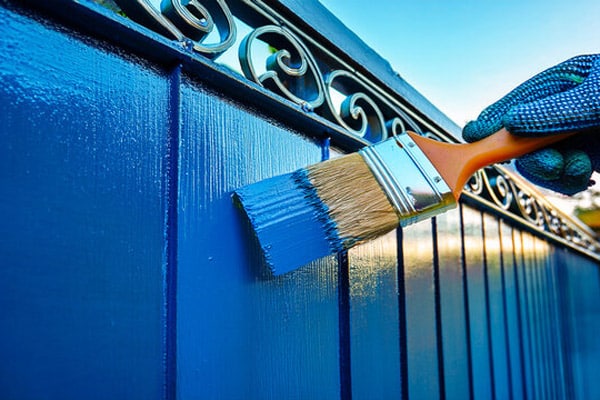
Painting metal**
How the Plating Process Works
Plating is a process used to deposit a metal layer onto a surface to improve appearance, corrosion resistance, or other properties. Here’s a simple overview of how it works:
1. Surface Preparation
The item to be plated must be thoroughly cleaned. This removes dirt, grease, rust, and old coatings, ensuring good adhesion. Common cleaning methods include washing, acid cleaning, or abrasive blasting.
2. Electrolyte Bath Setup
The cleaned item is submerged in a special solution called an electrolyte, which contains metal salts of the desired plating metal.
3. Electroplating Process
An electrical current is passed through the electrolyte:
The item to be plated is connected as the cathode (negative electrode).
A metal electrode (anode) made of the plating metal is connected as the anode (positive electrode).
As current flows, metal ions from the electrolyte are reduced and deposited onto the surface of the item, forming a thin, even metal layer.
4. Rinsing and Finishing
After the desired thickness is achieved, the item is rinsed to remove any residual chemicals. Additional finishing steps, like polishing or coating, may be applied to enhance appearance or performance.
Common Paint Types
Oil-Based Paint: Durable, glossy, good for furniture and exteriors. Takes longer to dry.
Water-Based (Latex/Acrylic): Fast-drying, low odor, ideal for walls and interiors.
Enamel: Hard, glossy finish, used on metal and appliances.
Spray Paint: Quick application, great for quick touch-ups and hard-to-reach areas.
Chalk Paint: Matte, used for furniture and decorative finishes.
Advantages of Painting:
- Versatility: Paint can be applied to a wide range of surfaces, including wood, concrete, and metal.
- Ease of Application: For small projects or detailed work, painting is often more straightforward and requires less specialized equipment.
- Color Variety: Paint offers an extensive palette of colors, finishes, and textures.
- Cost-Effective for Small Projects: For minor touch-ups or small items, painting can be more economical.
Key Differences Between Powder Coating and Painting
|
Aspect |
Powder Coating |
Painting |
| Application Method | Electrostatic spray of dry powder, then baked | Liquid application via brush, roller, or spray |
| Curing Process | Heat curing at high temperatures | Air drying or baking at lower temperatures |
| Durability | Very high; resistant to chipping, scratching, UV rays | Moderate; prone to chipping and fading over time |
| Finish Quality | Smooth, even, and often thicker coating | Can vary; may require multiple coats for evenness |
| Environmental Impact | Low VOC emissions, eco-friendly | Higher VOC emissions, especially with solvent-based paints |
| Surface Compatibility | Primarily metals; some plastics with special coatings | Wide range of surfaces including wood and drywall |
| Cost | Higher initial setup costs but longer-lasting | Usually cheaper upfront but may need frequent maintenance |
| Repair and Touch-Ups | Difficult; often requires stripping and re-coating | Easier; can be touched up or repainted easily |
Which One Is Right for Your Project?
Choosing between powder coating and painting depends on your specific needs:
For Outdoor or Heavy-Duty Items: Powder coating is often preferred due to its durability and resistance to environmental elements.
For Artistic or Detailed Work: Painting offers more flexibility with colors and finishes.
Budget Considerations: Painting might be more cost-effective for small or one-time projects.
Environmental Concerns: Powder coating is the greener choice owing to lower VOC emissions.
Conclusion
Both powder coating and painting have their advantages and limitations. Powder coating excels in durability, eco-friendliness, and providing a long-lasting finish, making it suitable for industrial, automotive, and outdoor applications. Painting, on the other hand, offers versatility, ease of application, and a broader range of colors, ideal for decorative and interior projects.
Understanding these differences allows you to select the right finishing method for your project, ensuring the best results in terms of appearance, longevity, and environmental impact. Whether you prioritize durability or flexibility, making an informed choice will help you achieve the desired outcome efficiently and effectively.
Reference
*Image both from https://stock.adobe.com/